
Truth and Timing
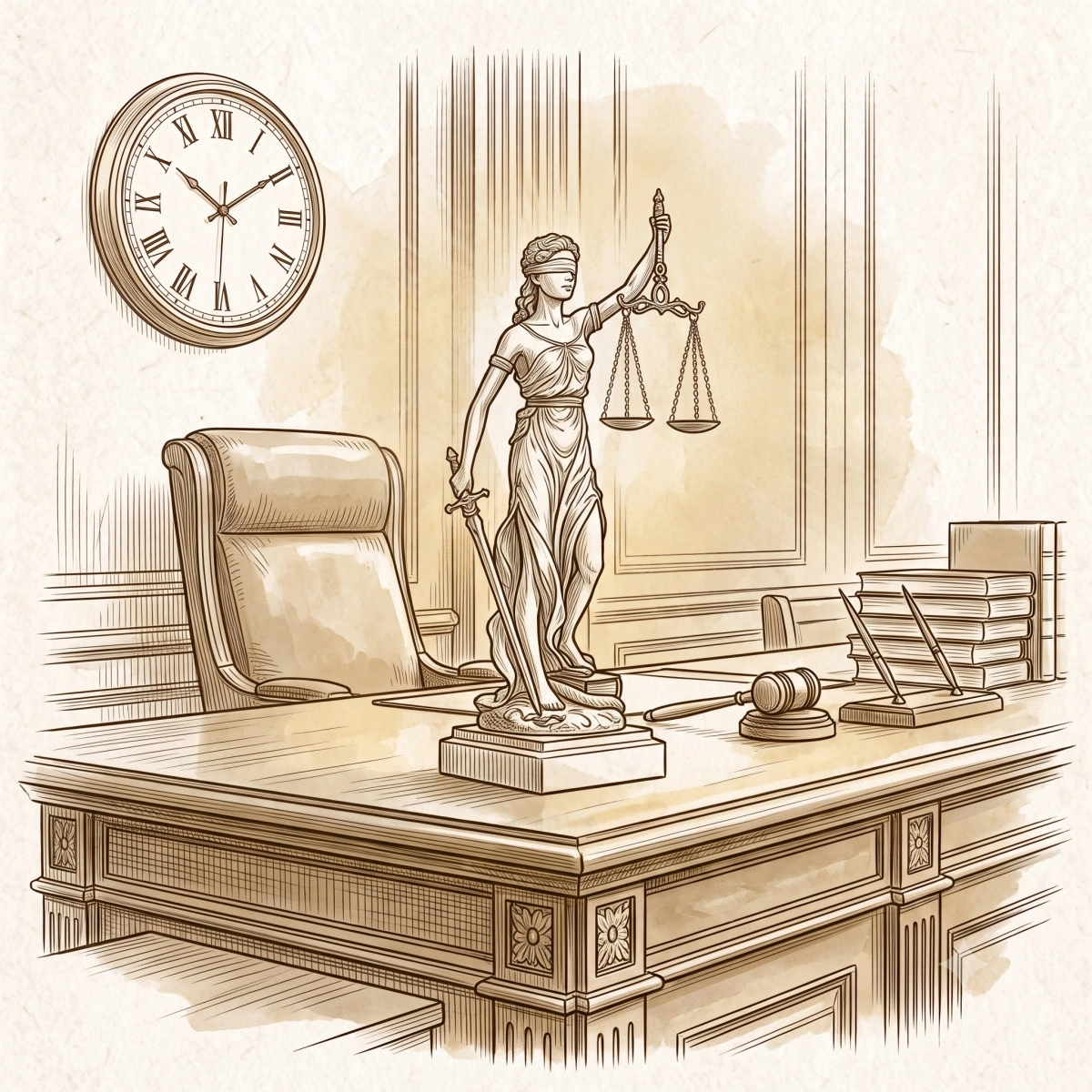
Recently, a conversation with a successful lawyer revealed that in their profession, the truth often cannot be shared all at once. In a courtroom, timing is just as critical as the facts themselves, and the whole truth must frequently be dispatched in careful, deliberate stages. This strategic pacing of information is just as true in other fields, such as medicine, where a doctor might wait to deliver a complex diagnosis until a concrete treatment plan is fully prepared to prevent unnecessary panic.
For those who believe that holding nothing back is the only way to be genuinely honest, this concept can feel unsettling. It raises a profound question: Is holding back the whole truth a form of deception, or is it a necessary exercise of wisdom?
When we look at Scripture, we find a distinct line drawn between malicious deceit and the wise, timed dispatching of truth.
Does the Bible really support the idea of withholding facts? Scripture does not equate integrity with the immediate, unfiltered disclosure of everything we know. In many instances, withholding the whole truth for a specific period is framed as a matter of discernment, protection, and readiness. The Bible frequently warns against blurting out information the moment we acquire it, noting that wisdom often requires holding knowledge in reserve until the right moment.
“The prudent keep their knowledge to themselves, but a fool’s heart blurts out folly.” (Proverbs 12:23, NIV)
We see this clearly when God Himself instructed the prophet Samuel to dispatch truth strategically to protect a life. When God sent Samuel to anoint David as king, Samuel feared that King Saul would kill him if he found out. God did not tell Samuel to lie; instead, He gave him a truthful cover story: “Take a heifer with you and say, ‘I have come to sacrifice to the Lord'” (1 Samuel 16:2, NIV). Samuel told the truth, but he intentionally withheld the whole truth about the anointing to prevent unnecessary bloodshed.
There is a divine rhythm to when things should be revealed, because true wisdom recognizes that premature truth can sometimes cause destruction.
“…a time to tear and a time to mend, a time to be silent and a time to speak.” (Ecclesiastes 3:7, NIV)
Even Jesus did not give His followers the full picture immediately, understanding that human beings are rarely equipped to process the whole truth all at once. He dispatched truth in stages based on what His listeners could handle.
“I have much more to say to you, more than you can now bear.” (John 16:12, NIV)
What the Bible strictly condemns is bearing false witness and actively deceiving others for malicious gain. But exercising discretion, knowing when and how to release the truth, is consistently praised as the mark of a prudent heart.
While earthly systems require the careful pacing of truth, we find an entirely different reality when we stand before Jesus, our Advocate. As 1 John 2:1 (NIV) reminds us, “But if anybody does sin, we have an advocate with the Father, Jesus Christ, the Righteous One.” A worldly trial is an adversarial process designed to painfully drag secret sins into the light. However, Jesus does not need a cross-examination because He already knows us completely inside out.
This is where Jesus’ love shines brightest within the absolute boundaries of His justice. He does not sweep our sins under the rug. We do not have to fear the staged exposure of our flaws before God. He already knows the absolute worst about us. Yet unlike an earthly court where the final truth brings a verdict and a penalty, Jesus is ready to take us exactly as we are the moment we truly repent.